




Breast cancer is the most common cancer in Thai women. Genetic factors are one of the important risk factors for this type of cancer, including having a mutated cancer gene that can be inherited in families. The most frequently mutated genes are BRCA1 and BRCA2 genes. When both of these 2 genes are abnormal, it increases the risk of breast cancer, resulting in early-onset breast cancer, bilateral breast cancer, and increased risk of other organ cancers, such as ovary. Therefore, BRCA gene testing is important in assessing risk to plan for breast cancer treatment, including screening, prevention, and identifying at-risk family members.
What is the BRCA gene?
BRCA1 and BRCA2 are important genes that regulate the repair of damaged or defective genetic codes to normal, which is a crucial mechanism in cancer prevention. When one of the BRCA genes mutates, it causes functional impairment, increasing the risk of breast and ovarian cancer up to 60% or about 5 times compared to the general female population. Patients with a BRCA mutation may inherit this gene from parents and can pass it on to children. Therefore, BRCA gene testing is important to identify high-risk individuals in the family for early cancer screening or prevention.
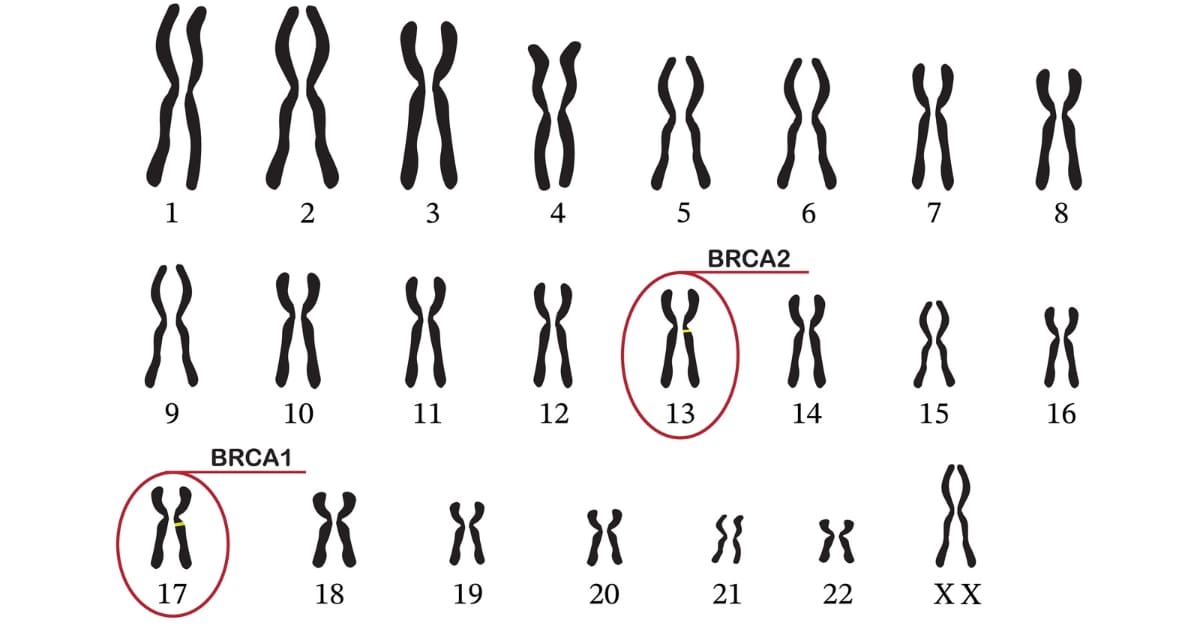
What are the effects of abnormal BRCA genes?
- Increased risk of breast cancer
- Increased risk of cancer at a young age
- Increased risk of recurring breast cancer or bilateral breast cancer
- Potential risk of cancer in family members
How to test BRCA genes?
The genetic testing of hereditary mutations in BRCA1 and BRCA2 genes can be done by a blood test to collect samples and send them to a genetics laboratory to test for mutations in all important gene positions. Individuals who will be tested should see an oncology specialist for assessment and appropriate individualized advice before undergoing gene testing.

Who should get tested for BRCA?
- Breast cancer patients under 50 years old
- Patients who have had breast cancer more than 1 time or with other types of cancer
- Breast cancer patients with a family history of breast cancer, ovarian cancer, pancreatic cancer
- Individuals with a family history of detected BRCA gene mutation
- Individuals aged from 18 upwards with a family history of cancer who want to prevent breast cancer risk
- Breast cancer patients advised by doctors to get tested
What do BRCA gene test results indicate?
If a mutated BRCA1 or BRCA2 gene is detected (positive result) it indicates a higher risk of breast and ovarian cancer than normal individuals. Those who test positive and are in good health should see a cancer specialist for appropriate screening and prevention planning. For cancer patients who test positive for BRCA mutation, doctors may consider Targeted Therapy specific to the mutated gene to achieve better patient outcomes.

How to take care of yourself when at risk of breast cancer
- Annual breast cancer screening
- Monitor any abnormalities; see a specialist immediately if symptoms occur
- Maintain a healthy weight
- Avoid unnecessary use of contraceptive pills; use should be as per doctor’s advice
- Avoid smoking and alcohol consumption
Where to find a hospital specializing in cancer gene testing
Bangkok Cancer Hospital Wattanosoth is equipped with modern tools and technology, and expert specialists provide close guidance in testing for BRCA and other cancer genes to prevent breast cancer and efficiently manage breast cancer patients for long-term good quality of life.
Specialist doctors in cancer treatment
Dr. Manop Pithukpakorn, Internist and Geneticist at Wattanosoth Hospital
Click here for self-appointment