


Sharp Headaches May Not Be a Minor Issue
Many of us have experienced sharp headaches that are irritating or altogether unbearable.
Translated by AI
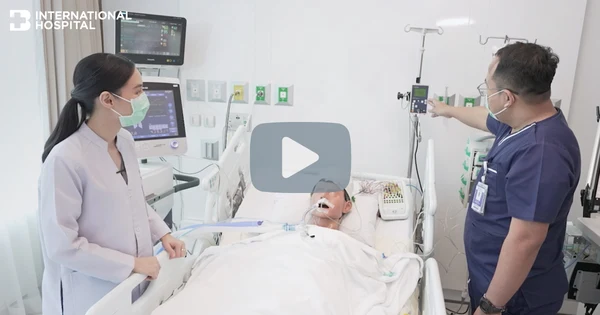
Get to Know the Neurological Intensive Care Unit (ICU)
Get to know the critical conditions of brain and nervous system diseases and treatment in the SMART ICU specifically designed to make the treatment efficient and rapid in real-time.

RESTFUL SLEEP SUPPORTS BRAIN FUNCTIONS
In everyday life, our brains have to deal with a lot of activities; in thoughts and in response to other stimuli. The brain, therefore, requires sufficient amount of energy for sustenance.

How to Sleep Tight and Wake Up Bright
Having a good night sleep is important to your health which relates to accumulation of your energy and helps you stay in tune. Therefore, a good night sleep not only helps strengthen your brain but also clear it.

Long COVID and neurological effect
COVID-19 as an infectious disease caused by a newly discovered coronavirus, SARS-CoV-2 has become a global pandemic since December, 2019.

Translated by AI
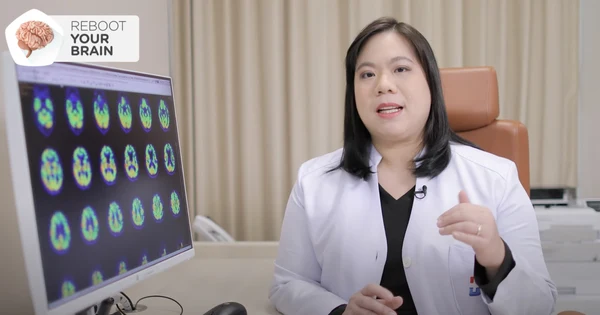
Get to know "Multiple Sclerosis (MS)"
Numbness, twitching, or weakness in limbs, accompanied by blurred vision and painful eye movement, may indicate multiple sclerosis, a condition commonly found in working-age women. Do not hesitate if you experience these symptoms... immediately consult a specialist.
Translated by AI
Forgetting and Confusion in Alzheimer's Disease
It's not just aging that contributes to dementia, but there are other factors that cause problems with both short-term and long-term memory. Join us in exploring the causes and prevention methods for dementia, along with dietary tips to help keep your brain fit.
Translated by AI
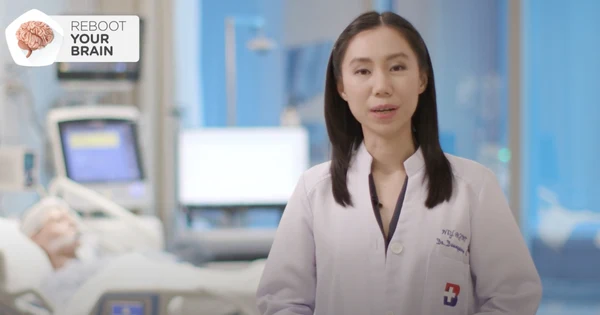
"Migraine and Women" Preventable Headaches
Because hormonal changes make women three times more likely to experience migraines than men, get to know "CGRP antagonist drugs", another effective option for targeted migraine treatment and prevention.
Translated by AI
Caring for Patients with Critical Brain and Nervous System Conditions
Because every second is a life... Get to know the care for patients with critical brain and nervous system conditions with smart ICU, together with a patient data access system that enables quick, real-time treatment.
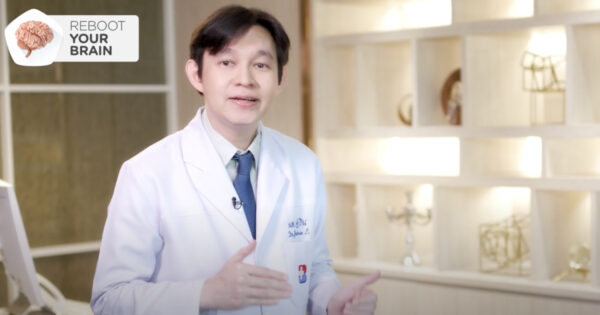
Translated by AI
Be careful!! Abnormal sleep, life changes
Because sleep matters.. Abnormal sleep can lead to brain and heart diseases, as well as increase the risk of many other chronic diseases unexpectedly. Get to know the Sleep Test, which assesses and diagnoses in order to treat abnormal sleep conditions before severe diseases occur.
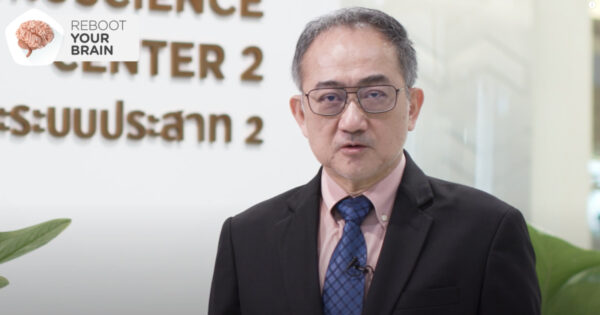
Translated by AI
Holistic Brain Care
It's not just effective treatment, but we also prevent recurrence while improving the quality of life for patients with brain and nervous system disorders. This is achieved through comprehensive care for individual patients by an interdisciplinary medical team along with modern innovation, giving you and your family peace of mind with Holistic Brain Care.
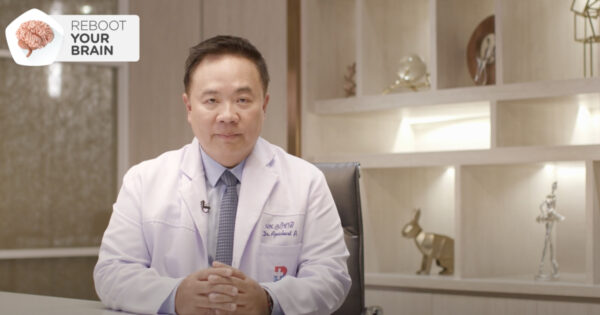
Translated by AI
Don't let life tremble because of Parkinson's disease
Parkinson's disease is more than just tremors and may be more severe than you think. Let's get to know Parkinson's disease from a perspective you may have never known before, including noticing symptoms, diagnostics, and deep brain stimulation surgery technology... because with Parkinson’s, the faster you know, the more treatable it is, improving quality of life.