


Severe and chronic headaches often cause suffering and inevitably affect daily life. One of the most common causes is migraine headache, a condition many people may be very familiar with by name, yet may still not know the true causes, warning signs, and the correct ways to cope.
This article will take you through a detailed understanding of migraine headache—from observing what migraine headache symptoms are like, what factors can trigger symptoms, along with recommended treatment approaches and appropriate migraine prevention methods—to help you control symptoms and return to living smoothly once again.
What is a migraine headache?
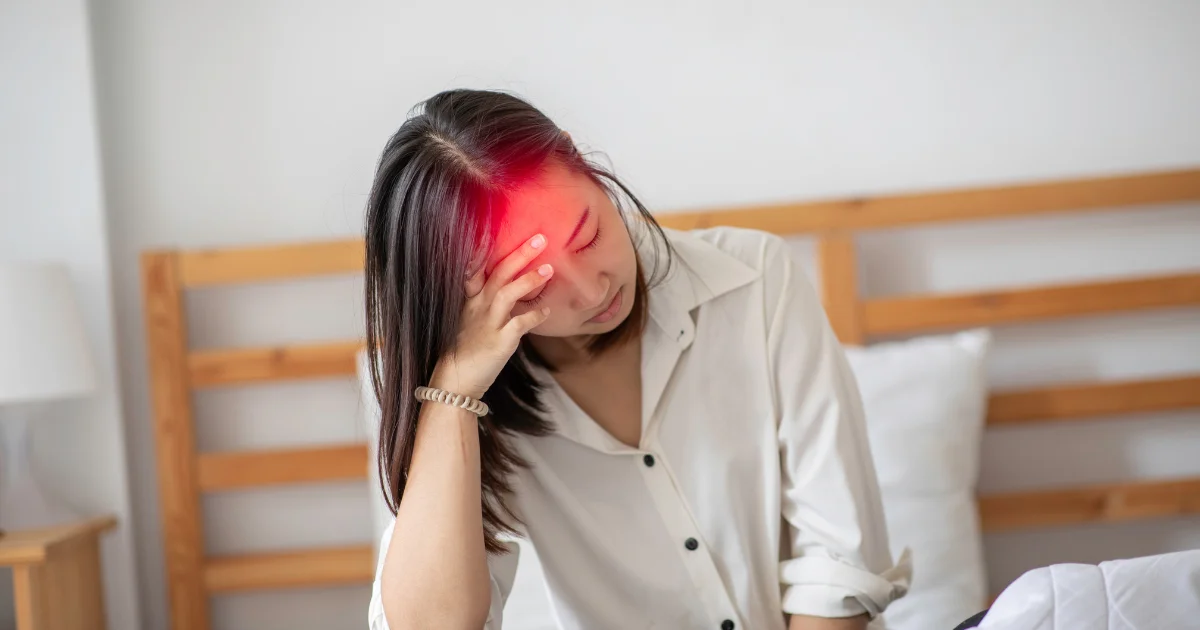
Migraine headache (Migraine Headache) is a common type of headache. It is caused by abnormal functioning of the brain’s nervous system, which is more sensitive to stimulation than normal. This results in the release of certain neurotransmitters, such as CGRP, which is involved in pain signaling and changes in blood vessels in the brain, ultimately leading to headache symptoms. The pain often has distinctive characteristics and may be accompanied by other symptoms. The severity and frequency of flare-ups vary from person to person.
Types of migraine headache
Migraine headache can be divided into 2 main groups:
- Migraine without warning symptoms beforehand (Migraine without aura) This is the most common group among people with migraine headache.
- Migraine with warning symptoms (Migraine with aura) Such as abnormal vision, seeing zigzag lines, shimmering lights with or without color, partial dark spots, unclear vision, distorted images, blurred images, and seeing them even with eyes closed. Other warning symptoms include numbness in the hand, numbness in the arm, numbness around the mouth, and possibly weakness of one arm and leg on one side of the body, etc.
Triggers of migraine headache
Migraine symptoms are often triggered by environmental factors and daily-life behaviors. Observing and avoiding these can help reduce the risk of symptoms. Common triggers include:
- Environment such as bright light, flashing light, loud noise, odors or smoke, sudden weather changes
- Not enough sleep or too much sleep
- Skipping meals or inadequate food intake
- Certain foods such as red wine, processed meats, dairy products, wheat, chocolate, MSG, artificial sweeteners, etc.
- Overexercising or doing activities that involve excessive physical movement
- Sex hormone changes in women during menstruation
- Light from phone or computer screens
- Effects of pregnancy, causing hormone level changes in the first trimester, leading to migraine headache
- Stress
- Use of certain medications
- Smoking
- Genetics
Migraine headache symptoms

Closely observing the characteristics of headache symptoms will help differentiate conditions more clearly. Common migraine headache symptoms often have the following characteristics:
- One-sided headache; it may alternate between the left and right sides, but usually occurs on one side at a time
- Throbbing pain at the temples
- Stabbing headache
- Pain radiating to the eye socket
- Occipital headache
- Nausea, vomiting, dizziness
- May have warning symptoms (Aura) about 5 – 60 minutes before headache, such as seeing flashing lights, shimmering lights, blurred vision, etc.
Stages of migraine headache
Migraine headache symptoms can be divided into 4 stages as follows:
- Pre-headache stage (Prodrome) Symptoms occurring about 1 – 2 days before a migraine headache, such as neck tightness, mood changes, irritability, food cravings, frequent urination, etc.
- Warning stage (Aura) Often occurs about 5 – 60 minutes before a migraine headache. Common examples include abnormal visual images, seeing flashes, seeing zigzag lines, blurred vision, distorted images, numbness, weakness, etc.
- Migraine headache stage (Headache) Migraine headache typically lasts an average of 4 – 72 hours, with throbbing pain, one-sided headache, possibly accompanied by nausea and vomiting, as well as sensitivity to various triggers
- Post-headache stage (Postdrome) As the migraine headache begins to subside, symptoms may include fatigue, exhaustion, dizziness, confusion, poor concentration, sensitivity to stimuli, and mood changes, but they typically resolve on their own within 48 hours
Severity levels of migraine headache symptoms
Migraine headache symptoms vary in severity and impact on daily life from person to person. In general, severity can be assessed to support consideration of treatment approaches as follows:
- Mild: The headache is still tolerable; you can continue working or carrying out daily routines. It often responds well to rest or general pain relievers.
- Moderate: The pain begins to interfere with concentration and activities, reducing work or study performance. You may need to take a break, or may need migraine-specific medication to relieve symptoms.
- Severe: The migraine is so severe that you cannot perform any daily activities. You must lie still in a dark, quiet room. Nausea, vomiting, or marked sensitivity to light and sound often occur, and a longer recovery time may be needed to return to normal.
Additional observations for migraine symptoms
In addition to headache symptoms and stages of the condition, there are additional observations that help indicate the specific characteristics of migraine, as follows:
- Routine activities such as walking or climbing stairs make the headache worse
- Symptoms improve when resting quietly in a dark, cool room
- Other accompanying symptoms include nausea, vomiting, light sensitivity, not wanting to see bright light, not wanting to hear loud sounds
- To know whether the headache is caused by migraine, diagnosis by a specialist physician is required for accuracy
How to observe and distinguish between migraine headache and other types of headaches
Because headaches can occur from many causes, having a basic understanding of how migraine headache symptoms differ from other headache disorders helps you cope initially and provide more accurate information to the doctor. Differences can be observed as follows:
- Tension-type Headache: Often feels like tightness, as if a band is wrapped around or squeezing the forehead, temples, or the back of the head. It usually affects both sides at the same time. The pain is relatively steady, not throbbing, with no nausea or vomiting, and usually not sensitive to light or sound.
- Cluster Headache: A sudden, extremely severe pain, often deep around one eye socket. The pain often begins rapidly and tends to recur at the same time. It may be accompanied by red eye, tearing, swollen eyelid, and runny nose on the painful side.
- Migraine: Distinctively throbbing in rhythm with the pulse. It is often one-sided but may alternate sides. The pain often worsens with movement or physical activity and is commonly accompanied by clear sensitivity to bright light, loud noise, or nausea and vomiting.
If you have migraine headache symptoms, what are some initial relief methods?
When you start to feel warning signs or have a migraine attack, timely coping can help relieve pain, reduce symptom severity, and help the body recover faster. You can follow these initial self-care guidelines:
- Stop the activity you are doing: As soon as symptoms begin, stop activities that heavily strain your eyes, especially staring at computer and mobile phone screens, and avoid activities requiring excessive exertion or physical movement.
- Rest in a suitable environment: Find a quiet place with low light and a comfortably cool temperature to recline or sleep, because bright light and loud sounds often trigger worsening migraine symptoms.
- Cold compress for pain relief: Use a cold gel pack or a clean cloth soaked in cold water and gently apply it to the forehead, temples, or the back of the head for about 15–20 minutes. The cold may help relieve pain and make you feel more relaxed.
- Drink enough water: Sipping plain water regularly helps reduce the risk of dehydration, which is one factor that may trigger more severe headaches.
- Take initial symptom-relief medication: If the pain has just started, you can take a general pain reliever such as paracetamol to help control symptoms.
How to treat migraine headache

Migraine headache is a chronic condition that can be controlled with proper self-care and appropriate medication. As you get older, headache symptoms often decrease. Migraine headache treatment can be divided into 3 approaches.
1) Oral medication
For acute migraine headache, the doctor will prescribe medication to be taken only when headache symptoms occur, and it should be taken immediately after symptoms start to achieve good treatment results. This includes:
- Pain relievers such as paracetamol
- Non-steroidal anti-inflammatory drugs such as ibuprofen (Ibuprofen)
- Migraine-specific medications such as triptans (Triptan) or medications containing ergotamine (Ergotamine), which act directly on cerebral blood vessels
- Medications to reduce nausea and vomiting
- Anti-inflammatory medication for migraine headaches during menstruation (Triptan or NSAIDs), taken about 2 – 3 days before menstruation and continued until menstruation ends for 4–5 days
- Pain relievers during pregnancy under a doctor’s guidance
- Antidepressants
Note: All medications must be used only under a doctor’s guidance to prevent side effects on the body.
Migraine headache preventive medication: A doctor may recommend preventive medication for patients who have relatively frequent or severe migraine headaches. The medication must be taken continuously every day. Commonly used examples include:
- Anticonvulsant drugs
- Calcium channel blockers
- Beta blockers, such as medications that lower blood pressure through multiple mechanisms
2) Injectable medication
For those who have frequent migraine attacks, severe migraine symptoms that interfere with daily life, or poor response to oral medication, injectable treatment is another option that can help prevent and reduce attack frequency. Currently, commonly used injectable treatment approaches include the following:
Treating migraine with anti-CGRP drugs
CGRP (Calcitonin Gene – Related Peptide) is a protein in the body involved in pain signaling. If CGRP levels increase, it can trigger migraines. Currently, injectable drugs have been developed to inhibit CGRP, both as subcutaneous injections (preventive effect for about 1 month per dose) and intravenous injections (preventive effect for about 3 months), which help reduce frequency and severity and reduce the amount of pain medication used, and must be under a doctor’s guidance.
Note: All anti-CGRP drugs must be used under a doctor’s guidance.
Treating migraine with Botulinum Toxin injections (Botulinum Toxin)
In patients with chronic migraine, which means headache occurring 15 or more days per month for more than 3 consecutive months, the doctor may consider Botulinum Toxin injections, a preventive treatment. It works by inhibiting the release of neurotransmitters involved in pain signaling at nerve endings, helping reduce the frequency and severity of long-term flare-ups and reducing the need for regular pain-relief medication.
3) Magnetic stimulation (TMS)
Treatment with Transcranial Magnetic Stimulation (TMS) uses a device to generate a high-intensity magnetic field and apply it to stimulate the brain in areas involved in the condition, together with behavioral adjustment to avoid migraine risk factors, helping reduce the frequency and severity of migraine headaches.
How to prevent migraine headache
If left untreated, headache symptoms may last from 4 up to 72 hours. Therefore, learning how to prevent migraines is important for a better quality of life. You can do the following:
- Avoid and leave environments that trigger migraine headaches, such as bright light, loud noise, bad odors, or dust PM2.5
- Observe and avoid triggers that cause headaches
- Get sufficient sleep and keep a consistent sleep schedule every day
- Exercise regularly, but do not overexert yourself
- Stop smoking, because smoking increases the risk of ischemic stroke (Ischemic stroke)
- Avoid caffeinated beverages such as coffee, tea, soft drinks, energy drinks, etc.
- Those who need to take contraceptive pills should always consult a doctor first
- If headache symptoms become much more severe or change in character, consult a doctor immediately
Specialist doctor for migraine headache treatment
Dr. Chakorn Chansakul Neurologist, Brain and Bone Hospital
You can click here to make an appointment yourself.
Hospital specializing in migraine headache treatment
Brain and Bone Hospital is ready to identify the cause, provide care and treatment, and prevent migraine headache, with a team of brain specialists, nurses, a multidisciplinary team, and modern treatment technology to reduce severity and help patients return to normal life again.
Article summary
Migraine is a common type of headache caused by abnormal functioning of the brain’s nervous system that is more sensitive to stimulation than normal, together with the release of neurotransmitters and changes in blood vessels, resulting in severe headache. Common symptoms include throbbing pain, one-sided headache, as well as nausea and vomiting. Common triggers include stress, certain foods, and insufficient rest. Migraine treatment includes pain relievers, preventive medication, and lifestyle adjustments such as avoiding triggers, getting enough sleep, and exercising appropriately.
Frequently Asked Questions (FAQ) about migraine headache symptoms
1. How severe does a migraine headache need to be before you should urgently see a doctor?
If you have a sudden severe headache, a headache unlike anything you have had before, or neurological abnormalities such as limb weakness, numbness, or slurred speech, you should see a doctor immediately.
2. Can migraine headache be completely cured?
Currently, migraines cannot be completely cured, but severity and frequency can be controlled with appropriate medication together with avoiding triggers.
3. What types of foods can trigger migraines?
Foods that often trigger migraines include caffeinated beverages, alcohol (such as red wine), cheese, processed meats, and foods containing MSG or artificial sweeteners.
4. Can pregnant women take migraine headache pain medication?
Pregnant women should absolutely not buy and take medication on their own. If you have a headache, you should consult a doctor for evaluation and a prescription of safe medication that does not affect fetal development.