
What are electromyography (EMG) and nerve conduction studies?
Electromyography (EMG) and nerve conduction studies are diagnostic tests used to measure the electrical activity of muscles and nerves in response to a nerve stimulation. Generally, nerves send out electrical signals to make the muscles react or respond in certain ways. As the muscles react, they emit these signals, which can then be measured. EMG measures the electrical activity of muscle during rest and during muscle contraction, whereas nerve conduction study measures the amount and speed of electrical impulse conduction through a nerve. EMG and nerve conduction studies can be done separately, but they are usually performed at the same time. Both procedures help to detect the presence, location and extent of neuromuscular abnormalities that damage the nerves and/or muscles, enabling an accurate diagnosis and effective treatment plans.
When are EMG and nerve conduction studies required?
Warning signs and symptoms of neuromuscular disorders indicating that EMG and nerve conduction studies might be needed as diagnostic procedures include:
- Muscle weakness
- Numbness or burning sensation in arms, legs, hands, feet, face or other parts of the body
- Leg or arm pain
- Muscle cramps, spasms and twitching
Which parts and conditions can be tested with EMG and nerve conduction studies?
When EMG and nerve conduction studies are conducted at the same time, they can help localizing problem in the following parts of nervous system:
- Motor neurons – neuronal cells located in the spinal cord controlling the movement of muscles.
- Cervical and lumbar nerve roots
- Nerves located in arms and legs
- Abnormal conduction in the connecting areas of nerves and muscles
- Muscle disorders
Instructions prior to the tests
- In some cases, certain medications that interfere with the result of the tests must be temporarily discontinued, unless specified otherwise. Other medications and food can be taken as usual before the tests begin. In general, no fasting or sedation is required prior to the procedure.
- Do not apply lotion or oil to the skin on the day of examination, as they can affect test’s accuracy.
- In case that the patients have pacemakers or pose a greater risk of excessive bleeding, e.g. taking anticoagulant drugs or having certain hematological diseases, these conditions must be informed to the healthcare providers before the tests begin.
During the procedures
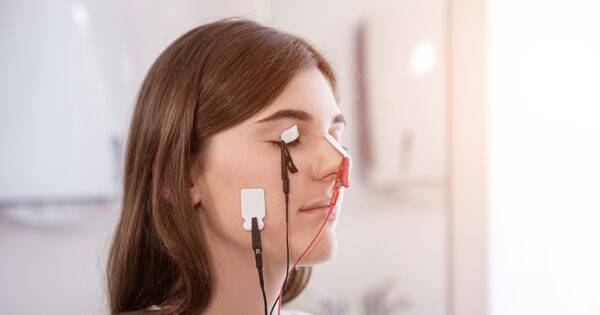
- Nerve conduction studies: Nerve conduction studies are usually administered by a neurologist and a specially trained technician. The patients may be asked to change into a hospital gown and remove any object that may interfere with the result. The patients need to lie down for the test. After locating the nerves, recording electrodes will be attached to the skin over the nerve. Stimulating electrodes will be placed at a known distance away from the recording electrodes. The nerve will be then stimulated by different degrees of electrical shock given through the stimulating electrode. The time that takes for muscle to respond to the nerve signal and the speed of the response (conduction velocity) will be recorded and interpreted. During the test, experiencing a tingling feeling or having muscle twitching are normal reaction against electrical shock.
- Electromyography: EMG is usually performed immediately following nerve conduction studies. A neurologist locates the suspected muscles to be tested. The skin will be cleansed with an alcohol pad or antiseptic solution. A surface ground electrode will be positioned under the arm or leg. Subsequently, fine and sterile needle electrode is inserted into the muscles. Several muscles will be checked, but the exact number of muscles will depend on the finding of the study. The patients will be asked to relax and then perform slight and full-strength muscle contractions. The electrical activity while muscle is functioning will be measured and displayed on the screen. Patients may experience slight pain during the needle examination. If the patients have any concern or discomfort during the exam, you may ask the examiner questions or ask for a short break at any time.
Result of EMG and nerve conduction studies
A neurologist will interpret the results derived from both tests and prepare a report. The referring physician will discuss the test result with you at a follow-up appointment.