





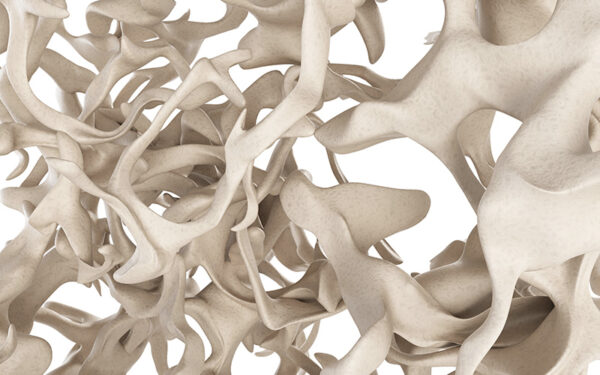
Calcium is an essential mineral that the body needs for numerous functions. Calcium as a nutrient is most commonly associated with the formation and metabolism of bones. Over 99 percent of total body calcium is found in bones and teeth, where it provides hard tissue with its strength. The remaining of 1% calcium is stored in the circulatory system, extracellular fluid, muscle, and other tissues for mediating vascular contraction and vasodilatation, cardiac muscle functions, nerve transmission, intracellular signaling, coagulation process to stop bleeding and hormonal secretion. Bone tissue serves as the source of calcium for critical metabolic needs through the process of bone remodeling.
Calcium deficiency potentially leads to osteoporosis
In case of insufficient calcium intake, serum free calcium level remains low, the parathyroid gland is automatically stimulated and parathyroid hormone (PTH) is released in order to get calcium released from the bones to maintain blood calcium level. If it happens repeatedly, it finally leads to porous and fragile bones. More importantly, bones become more susceptible to easily break even with minor injuries.

Increasing calcium absorption
- Vitamin D: The principal function of vitamin D in calcium homeostasis is to increase calcium absorption through the lining membrane of the intestine. The presence of vitamin D helps calcium to be more absorbed into blood circulation. Vitamin D is derived from two main sources; direct exposure to sunlight and certain foods e.g. fish, egg yolk, liver and butter.
- Acidity in the stomach: Calcium solubility is a prerequisite to calcium absorption and solubility of calcium is highly pH-dependent. Gastric acid secretion and gastric acidity play an important role in the intestinal absorption of calcium from ingested food or calcium salts.
- Lactose: Lactose prolongs the duration of intestinal calcium absorption up to 15-50%, therefore milk remains a main source for increasing calcium absorption.
Sources of calcium
- Milk and daily products: The main foods rich in calcium are dairy products such as milk, cheese and yogurt. One box of milk (250 cc.) contains 300 mg calcium. The recommended daily intake (RDI) of calcium is 1,000 mg per day. Thus drinking milk, especially semi-skimmed milk or low-fat milk 2 boxes per day provides calcium up to 60% of the total recommended daily amount.
- Small fish which bones are edible such as sardines, pilchards, anchovy, canned fish and dried shrimp.
- Soybean-based foods and drinks e.g. soya beans and tofu.
- Green leafy vegetables such as Chinese kale and kale.
Lifestyle modifications to reduce risks of osteoporosis
- Avoid overconsumption of protein obtained in meat since excessive protein intake increases the acid load of the body, which then causes the body to take calcium out of the bones to neutralize the acid, leading to greater chances of osteoporosis.
- Avoid eating salty foods. When sodium intake becomes too high, the body gets rid of sodium via the urine and calcium is also excreted. This depletes calcium stores in the body. Inadequate levels of calcium in the body can eventually lead to osteoporosis.
- Avoid drinking caffeine-containing beverage e.g. tea and coffee since it has been associated with reduced bone mass from increased calcium excretion through urination.
- Avoid drinking soft drinks. Soft drinks can decrease the absorption of calcium from the stomach into the bloodstream. Soft drinks contain phosphorus that interferes with the calcium absorption, leading to calcium depletion in the blood.
- Avoid drinking alcohol. Alcohol interferes the absorption of calcium and increases calcium excretion through urination.
- Avoid smoking since nicotine decreases intestinal calcium absorption and increases bone loss, leading to brittle bones.