Bangkok Hospital
Caret Right
Search
CTA Curve
Arzt suchen icon
Arzt suchen
Terminvereinbarung icon
Terminvereinbarung
Kontakt icon
Kontakt
Telefon undefined
Menu
  • Wählen Sie ein Krankenhaus

  • Language

Doctor not found
Doctor not found
Doctor not found
Doctor not found
Bangkok Hospital
bleiben Sie in Kontakt
Google Maps anzeigen
    Datenschutzrichtlinie

    |

    Cookie-Richtlinie

    Copyright © 2026 Bangkok Hospital. All right reserved


    Bangkok Krankenhausnetzwerk
    MEMBER OFBDMS logo

    Lung Cancer

    3 Minuten zum Lesen
    Informationen von
    Bangkok Cancer Hospital
    Aktualisiert am: 26 Jan. 2026
    Lung Cancer
    Bangkok Cancer Hospital
    Aktualisiert am: 26 Jan. 2026
    Inhaltsverzeichnis
    • Cancer Screening
    • Risk group
    • Risk Factors
    • Early Diagnosis

    Cancer Screening

    Lung cancer is the second leading cause of death and the leading cause of death from in Thailand. Most lung cancers are diagnosed in late stage of the disease making treatment more complicated resulting significant overall lung cancer survival rate reduction. In the past, lung cancer screening was done by chest x-ray and sputum cytology. However, these screening methods did not improve early detection of lung cancer patients, as small nodules (subsolid nodule/ground glass nodule) couldn’t be detected.

    In 2011, National Lung Screening Trial (NLST) in USA shows that using low dose CT-chest is an effective screening method in people who have high risk for lung cancer comparing with chest x-ray. By having once a year screening, the mortality is reduced by 20%. Therefore, currently National Comprehensive Cancer Network (NCCN), American Society of Clinical Oncology (ASCO) and American College of Chest Physicians (ACCP) recommend lung cancer screening in high risk population by using low dose CT-chest.

    The high risk group is defined as:

    1. Age 55-74 years
    2. Current or former smokers
      You may consider lung cancer screening if you have a history of smoking for 30 pack years or longer. Pack years are calculated by multiplying the number of packs of cigarettes smoked a day and the number of years that you smoked.
      • Smoked two packs a day for 15 years
      • Smoked one pack a day for 30 years
      • Smoked one and a half pack a day for 20 years
    3. Stop smoking less than 15 years

    There are other risk factors as below:

    • Age
    • Sex
    • Ethnicity
    • Weight and height
    • Education
    • Family history of lung cancer, chronic obstructive pulmonary disease (COPD) and  other cancers

    Risk group

    People who are in moderate risk group are current or former smokers with a history of smoking of 20 pack years, second hand smokers  or lives in bad environment.

    Risk Factors

    Incense


    Research in China suggests that long-term exposure to burning incense may contribute to respiratory tract disease and also can lead to lung cancer. Therefore, people who have risks of lung cancer (family history of lung cancer, COPD, asthma) should avoid exposing to incense smoke.

    Fine particular matter (PM2.5)


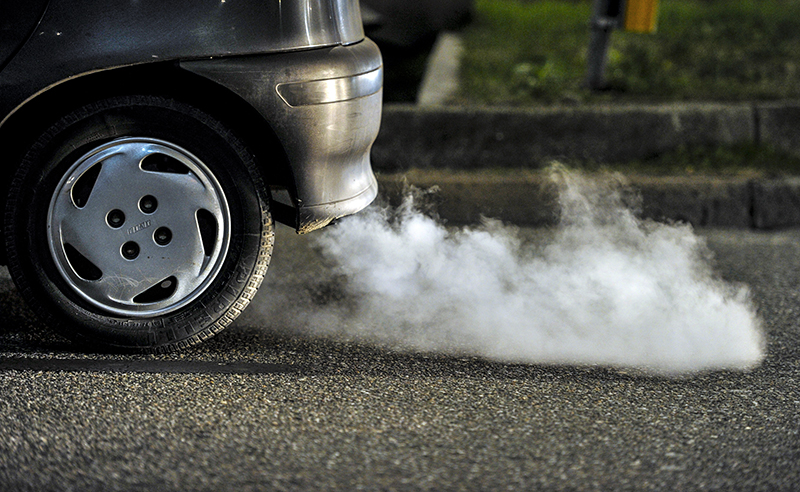
    The term fine particles or particulate matter 2.5 (PM2.5) refers to tiny particles or droplets in the air what are 2.5 microns or less in width. Fine particles primarily come from car exhausts. Besides, acts involved producing smokes like burning fuels like firewood, Furnace oil, coal and construction. Air Quality Index (AQI) is an index to report air quality. AQI measures air pollutants including PM2.5. Particles in the PM2.5 size range are able to travel deep into the respiratory tract reaching the lungs. Exposure to fine particles can cause short-term health effects such as eye, nose, throat and lung irritation. Other major effects are coughing, sneezing, runny nose and shortness of breath. Exposure to fine particles can also affect lung function and worsen medical conditions such as asthma and heart diseases. Moreover, the risk of developing lung cancer increases as the level of PM2.5 increases in the air. When outdoor levels of PM2.5 are elevated, it is best to avoid going outdoors, use an air purifier and wear face mask.

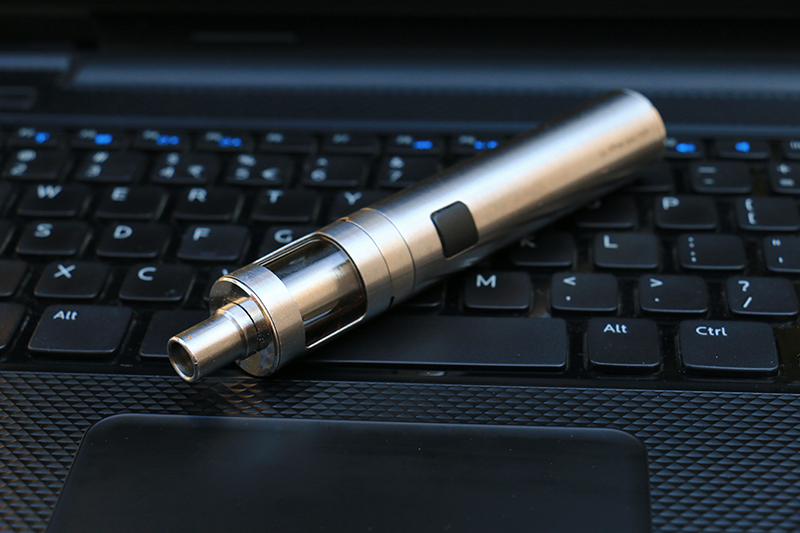
    E-Cigarettes


    An electronic cigarette is a battery-operated device that emits doses of vaporized nicotine or non-nicotine solutions for the user to inhale. It can resemble traditional tobacco cigarettes, without the smoke. Though E-cigarette reduces exposure to arsenic, lead and other harmful substances in traditional cigarettes that does not mean electronic cigarettes are safe. Further research is needed to be conducted before electronic cigarettes can be either labeled harmful or safe. Consumers should be aware that information regarding electronic cigarettes is still preliminary. Additional research will help understanding long term health effects of electronic cigarette consumption.

    Early Diagnosis


    American Cancer Society recommends that people who are current or former smoker more than 30 pack year or stop smoking less than 15 years, and are 55 years or older should be screened for lung cancer by using low dose CT-chest once a year.

    “When detected early, lung cancer patients have more treatment options and a far greater chance of survival and quality of life.”​

    Termin

    Alle Ärzte anzeigen

    diverse Krebsarten

    Alle ansehen

    diverse Krebsarten

    Head & Neck Cancer Image
    Head & Neck Cancer
    Ovarian Cancer Image
    Ovarian Cancer
    Pancreatic Cancer Image
    Pancreatic Cancer
    Alle ansehen